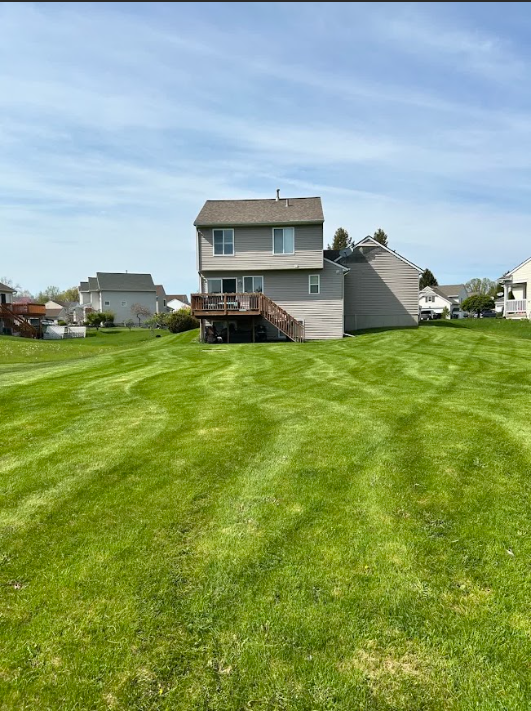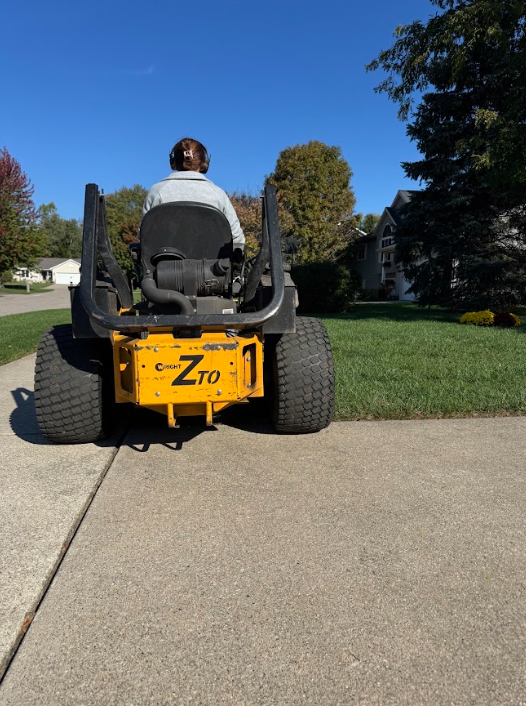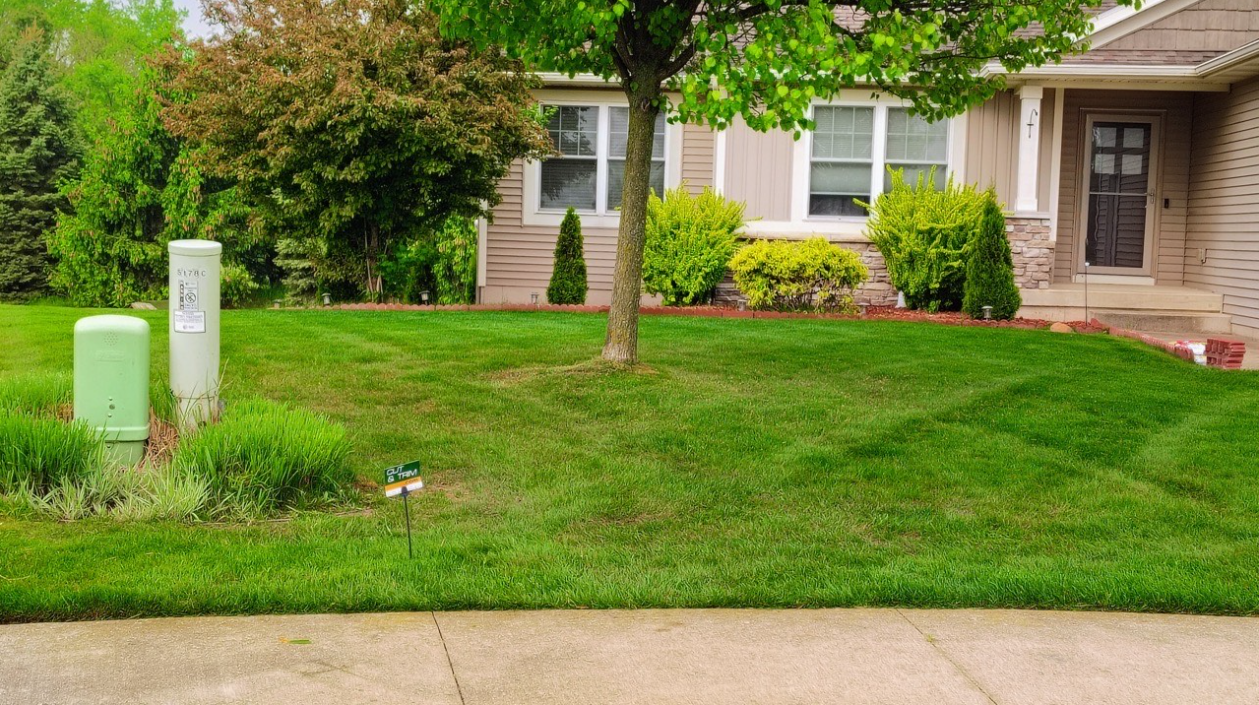
A patchy lawn can feel incredibly frustrating, especially when you’re staying consistent with mowing and still seeing uneven color, thin areas, and bare spots. Many homeowners assume regular mowing alone should keep grass looking smooth and healthy, but lawn appearance depends on much more than cutting height and frequency. Soil quality, watering habits, sunlight, traffic, and seasonal maintenance all influence how evenly grass grows. Understanding what’s happening beneath the surface is the first step toward getting a fuller, greener lawn that looks healthy from edge to edge.
Regular Mowing Alone Does Not Fix Underlying Problems
Mowing helps maintain appearance, but it does not automatically improve lawn health. If the grass is already weak, cutting it regularly may only make the problem more noticeable. Thin spots often stand out after mowing because shorter blades expose bare or weak areas.
A good lawn mowing and trimming routine keeps the lawn neat, but patchiness usually points to deeper causes such as poor root development, compacted soil, or inconsistent moisture levels.
Sometimes homeowners focus so much on mowing frequency that they overlook the real issue. If the lawn is not receiving the right support between mowing sessions, uneven growth is likely to continue.
Uneven Sunlight Creates Different Growth Zones
One of the biggest reasons lawns look patchy is uneven sunlight. Grass growing in full sun behaves very differently from grass growing under shade.
Areas near trees, fences, walls, and sheds often receive fewer hours of sunlight each day. This slows photosynthesis and weakens growth. The result is a yard where one side looks lush while another remains sparse.
Tree roots can also compete with the grass for water and nutrients, making shaded areas even harder to maintain.
This is why some sections stay thick while others struggle even when the mowing schedule remains consistent.
Soil Health Is Often the Real Culprit
Healthy grass starts with healthy soil. If the soil lacks nutrients or has poor drainage, the lawn will naturally develop uneven patches.
Compacted soil is especially common in residential yards. When the soil becomes too dense, grass roots cannot spread properly. This limits their access to water, oxygen, and nutrients.
A regular weekly grass cutting schedule helps appearance, but it cannot solve root problems caused by poor soil conditions.
Aeration is often one of the most effective fixes because it loosens compacted areas and allows the roots to breathe again.
Watering Patterns May Be Inconsistent
A lawn can look patchy simply because different areas receive different amounts of water.
Sprinklers often miss corners, edges, or sections blocked by landscaping. Sloped lawns may also cause water runoff, leaving higher spots dry.
Dry areas become thin first, while oversaturated sections may turn pale yellow or develop fungal issues.
Check your watering coverage by observing the lawn immediately after a watering cycle. You may notice some sections stay damp while others barely receive moisture.
Even watering is essential for consistent grass density.
Cutting Height Can Make Thin Spots Worse
Even if you mow regularly, cutting too short can worsen patchiness.
Grass blades need enough length to support photosynthesis. When cut too low, the roots weaken, and the lawn struggles to recover.
A lawn cut service typically adjusts mowing height depending on season and grass type. During warmer months, slightly longer grass helps retain moisture and protects the soil from heat stress.
Short grass also makes existing bare spots much more visible.
High-Traffic Areas Wear Down Faster

Patchy lawns often develop in places with frequent foot traffic.
Walkways, children’s play areas, pet zones, and seating spaces naturally experience more wear. Repeated pressure compacts the soil and damages the blades.
This is why many homeowners notice thin strips along paths or near patios.
Professional residential lawn mowing services often include inspection of traffic-related damage and recommend overseeding or aeration in those areas.
Thatch and Debris Prevent Healthy Growth
Thatch is the layer of dead organic matter between the soil and living grass.
Too much thatch prevents air, water, and nutrients from reaching the roots. This can create uneven growth and visible patches.
Clippings, leaves, and debris buildup can worsen the problem over time.
Regular seasonal cleanup and dethatching help restore healthy root access.
Local Climate and Grass Type Matter
Lawns in Michigan often respond differently depending on soil type, rainfall, and seasonal temperature shifts.
A grass cutting service in Grand Rapids, MI, often adjusts lawn care schedules based on local weather conditions.
Likewise, a lawn mowing service in Grand Rapids, MI, may recommend overseeding in early fall or spring to help fill thin areas caused by seasonal stress.
Not all grass types recover at the same speed, so local care knowledge makes a noticeable difference.
How to Fix a Patchy Lawn
Start by identifying the weak zones.
Check:
- sunlight exposure
- soil compaction
- watering coverage
- mowing height
- traffic areas
- nutrient levels
Then apply the right fix:
- aerate compacted soil
- overseed bare spots
- adjust watering
- raise mowing height
- fertilize when needed
With consistent care, most lawns begin improving within a few weeks.
Restore Your Lawn with Cut & Trim

At Cut & Trim, we help homeowners move beyond surface-level mowing and focus on what’s actually causing uneven growth. We combine mowing, soil care, seasonal maintenance, and targeted repair strategies to help restore lawn thickness and consistency.
Contact us today to turn your patchy lawn into a healthier, fuller, and more even yard with expert care from Cut & Trim.