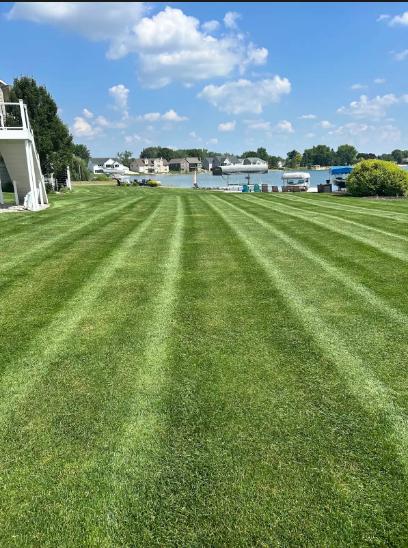
A lawn rarely fails overnight. It sends signals first, and those signals are easy to miss when you are busy.
Learning the basics of lawn disease identification helps you act before a small patch turns into a large one. Here is what to watch for.
Start With the Color and Shape of the Damage
Disease often shows up as a pattern, not a single brown spot. Patch diseases often form circular or crescent-shaped patches, sometimes with a green center called a frogeye.
Thatch and irregular nitrogen use can favor these diseases. Good cultural habits come first, and a sample sent to a plant clinic helps when the cause is unclear.
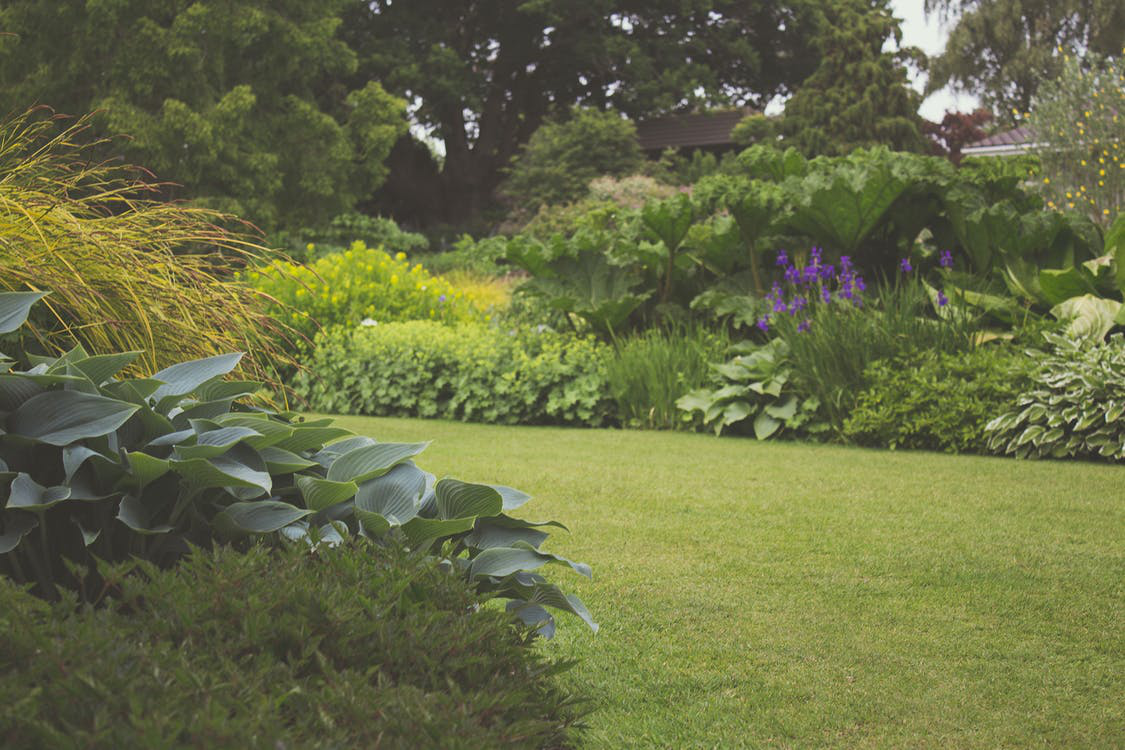
Healthy turf is usually thick, even and a rich green. Anything that departs from that deserves a closer look.
Taking a photo of the patch each week makes changes easier to track. It also helps a professional understand what you have been seeing.
Watch for Fungus After Winter
Some fungal problems appear when the snow melts. Gray and pink snow mold show up as the snow disappears.
Prevention includes avoiding heavy fall nitrogen, mowing through fall, raking leaves and keeping thatch at half an inch or less. Damage is usually not serious, and the lawn often recovers with time.
Raking out matted areas in spring lets air and light reach the grass. That simple step speeds up recovery.
Check for Compaction and Poor Drainage
Hard, compacted soil keeps water and air away from the roots. Thin turf, puddling, disease and weeds are all signs of compaction.
Core aeration is the most important tool for fixing the problem, and fall is the best time to aerate cool-season lawns.
If water sits in the same spot after rain, that area deserves a closer look. Low spots and compacted ground often go together.
Rule Out Simple Causes First
Not every brown patch is a disease. Dull mower blades, scalping, dog urine, compaction, nutrient deficiency, poor drainage and drought are all problems not caused by pests or diseases.
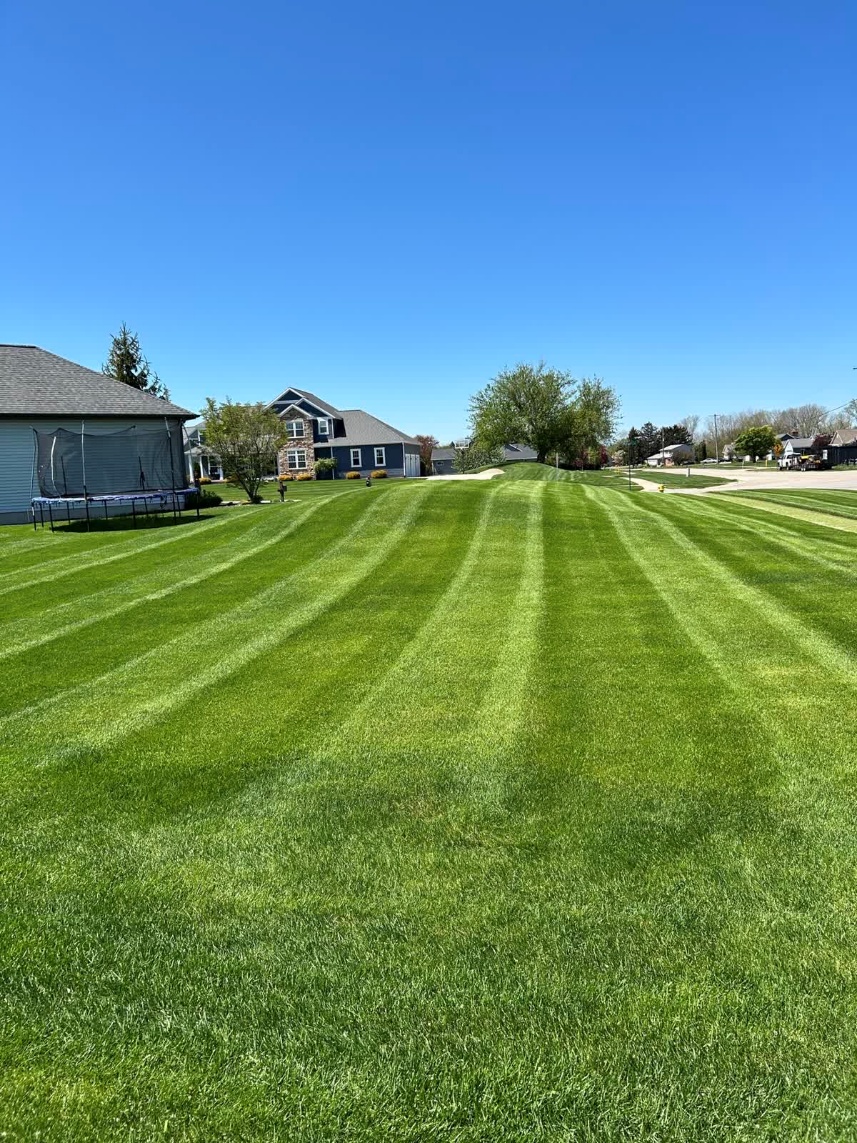
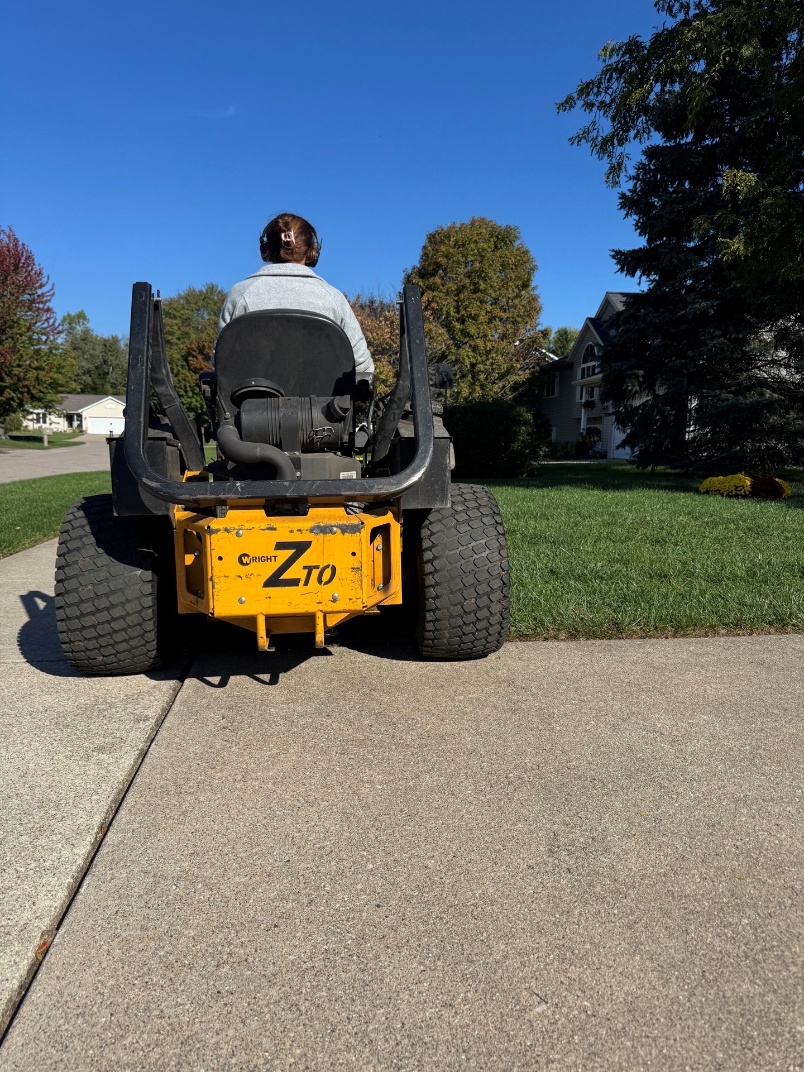
A reliable grass cutting service keeps blades sharp and heights correct. That alone removes some of the most common causes of damage.
Good residential lawn mowing services also notice changes from visit to visit. A crew that sees the lawn weekly can tell when something is new.
Look at Nutrients and Soil
Pale, yellow-green grass may point to a nutrient shortage. Guessing at fertilizer can make matters worse.
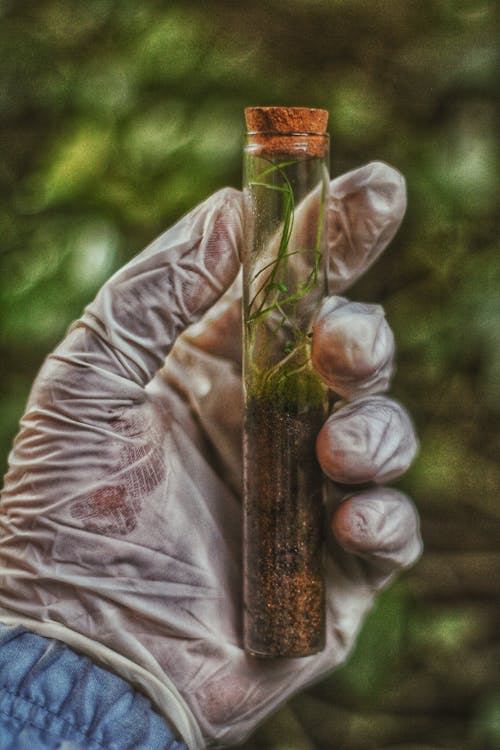
A soil test measures pH, organic matter and nutrient levels. The result helps homeowners avoid overfertilizing. Soil testing is a simple step that gives clear direction. It replaces assumptions with facts.
It is also inexpensive compared with treating the wrong problem. Knowing what the soil needs saves both money and effort.
Pay Attention to Weeds and Thin Turf
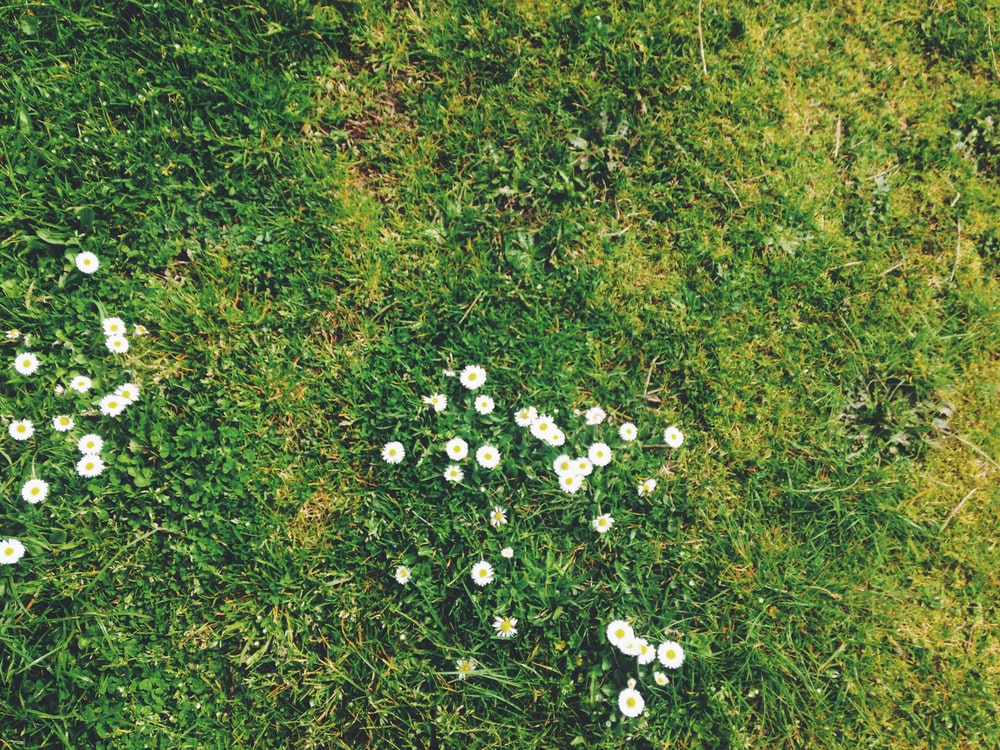
Weeds often move into lawns that are thin or stressed. They are a symptom as much as a problem.
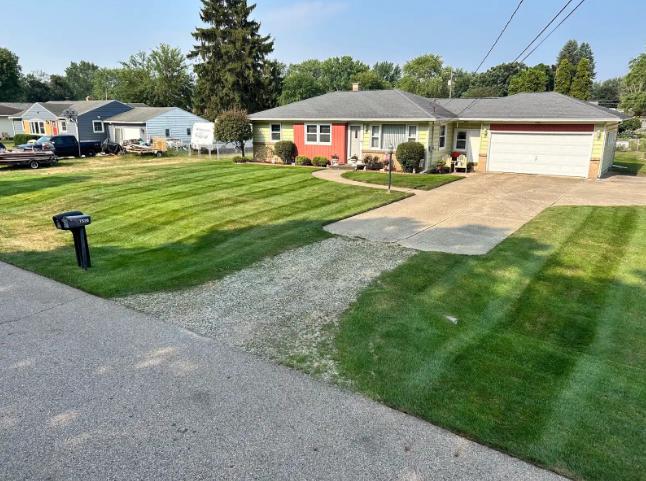
Regular lawn mowing and trimming at the right height helps thick turf crowd out weeds. Dense grass leaves little room for anything else.
Weekly grass cutting also makes it easier to spot where the turf is thinning. That information guides what to do next.
When to Ask for a Professional Look
Some issues can be handled with better mowing and watering habits. Others benefit from a trained eye.
A professional can often tell whether a problem is cultural, such as height or thatch, or something that needs further testing. That saves homeowners from paying for treatments they do not need.
Our cut and trim lawn care crew sees many lawns each week and knows what healthy turf looks like. We can point out concerns and suggest next steps like aeration or overseeding.
Homeowners who search for lawn care in Holland, MI often start by asking what is wrong. A good provider starts by looking closely.
Learning lawn disease identification basics will not make you a turf scientist. It will help you ask better questions and catch trouble sooner.
A Simple Weekly Checklist
- Look for patches that are circular, crescent-shaped or spreading.
- Check for puddles and hard soil after rain.
- Notice color changes such as yellowing or pale areas.
- Make sure mower blades are sharp, and the height is correct.
- Take photos so you can track changes over time.
A few minutes of attention each week goes a long way. It also helps you explain problems when you ask for help.
People comparing the best lawn care services in Holland, MI should ask how a provider handles problem spots. The answer reveals a lot about their care.
Our mowing is only the start. Fixes like seeding, overseeding, and aeration are part of what we offer.
Many homeowners also use a grass cutter service that adjusts height through the season. Matching the cut to the conditions keeps stress low.
Get Help Bringing Your Lawn Back
Cut & Trim is a family-owned business that has served Hudsonville, Holland and nearby communities since 2000. We offer mowing, aeration, overseeding, and more to help lawns recover.
If your grass is not thriving, contact us, and we will take a look.