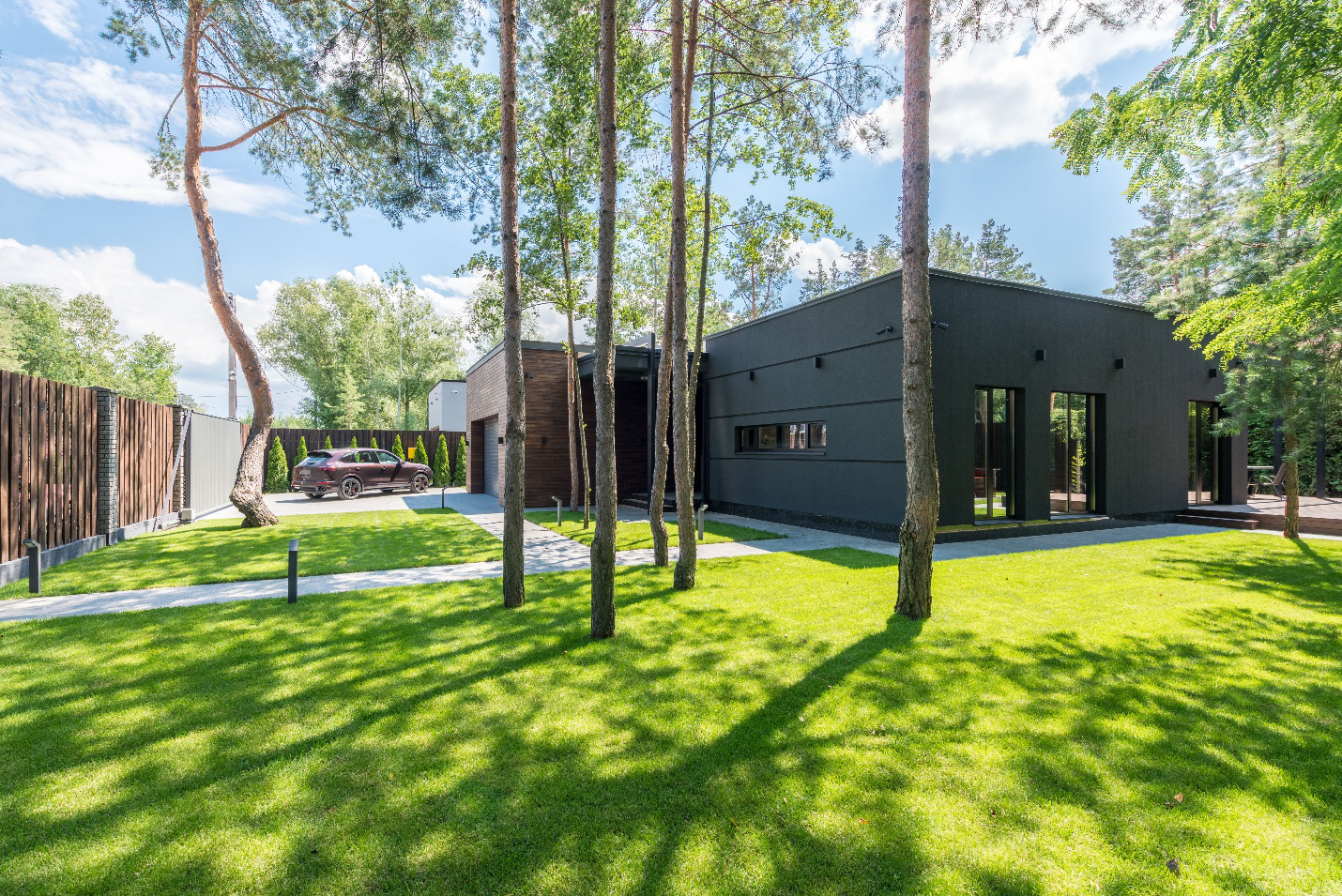
The growing season in Michigan stretches from late April through October, and what happens during those months determines how your lawn looks and performs for the rest of the year. Strong lawn health is not built through a single treatment or one good stretch of weather. It develops through repeated, well-timed care that gives the grass what it needs at each stage of the season. At Cut & Trim, we help homeowners across West Michigan navigate these months with confidence, providing reliable ground maintenance that adapts as conditions change. The following tips outline what matters most and when it matters.
Start the Season with a Clean Foundation
Before the first mow of the year, the lawn needs a fresh start. Winter leaves behind debris, fallen branches, and a layer of dead grass that has accumulated over months of dormancy. If this material stays in place, it blocks sunlight and traps moisture against the soil surface, which slows the emergence of new growth and can promote fungal activity.
A light raking or spring cleanup clears the way for air and light to reach the soil. This small step makes a measurable difference in how quickly the lawn greens up. The first cut of the season should be set slightly lower than the standard mowing height to remove the damaged tips left over from winter. After that initial trim, the mowing height should be raised back to the normal range and kept there going forward. Homeowners looking for affordable lawn mowing services often find that starting the season right reduces the need for corrective treatments later on, saving both time and money.
Mowing Frequency and Why It Matters More Than You Think
During peak growth, which in Michigan typically runs from May through mid-July, grass can grow quickly enough to require weekly attention. Letting the lawn go two or more weeks between cuts forces each session to remove a larger percentage of the blade, which puts the plant under stress and weakens the root system over time.
Weekly mowing keeps the grass at a consistent height, which supports steady photosynthesis and root development. It also prevents the lawn from looking overgrown and unkempt between sessions. During the slightly slower periods of late summer and early fall, bi-weekly mowing may be sufficient, but the transition should be gradual rather than abrupt. We provide residential lawn mowing services in Holland, MI, and throughout West Michigan on flexible schedules that match the pace of growth, so homeowners get the right frequency at every point in the season. Working with a trusted provider for lawn care in Holland ensures that mowing intervals are adjusted based on actual conditions rather than a fixed calendar.
Adjusting Care Through Summer Heat
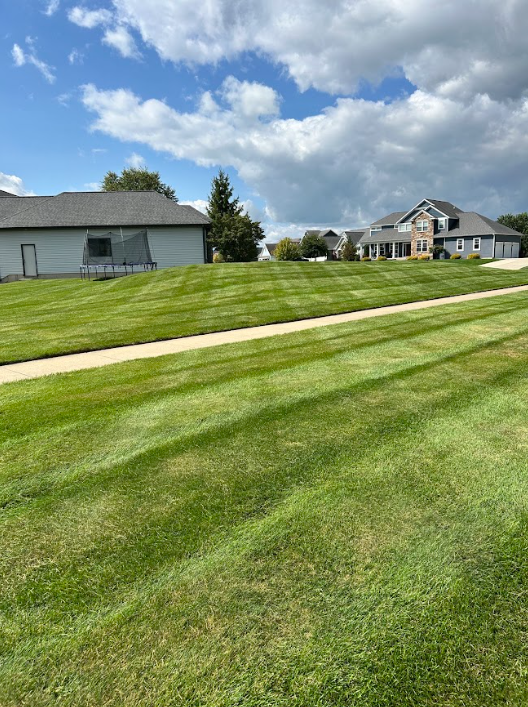
Summer in Michigan brings stretches of intense heat and humidity that can push even healthy lawns to their limits. The way a homeowner responds to these conditions makes a significant difference in how well the grass holds up.
Raising the mowing height by half an inch during the hottest weeks provides additional shade to the soil surface, reducing moisture loss and keeping root temperatures more stable. This small adjustment helps the lawn retain water between rainfalls or irrigation cycles. Mowing should also be timed carefully during the summer. Cutting grass during the peak afternoon heat adds to the stress the plant is already experiencing. Early morning or late afternoon sessions give the turf time to recover before the next round of high temperatures. Watering practices matter as well. Deep, infrequent watering encourages roots to grow downward in search of moisture, building resilience that shallow, daily watering cannot replicate. Lawn care in Kentwood, MI, and other West Michigan communities benefits greatly from these adjustments during the warmest months of the year.
Preparing Your Lawn for Fall Recovery
As temperatures begin to drop in September and October, the lawn enters a critical transition period. The choices made during these weeks determine how well the grass survives winter and how quickly it returns in the spring.
Mowing height should be lowered gradually over the final weeks of the growing season. Grass that goes into winter too tall can mat under snow, creating conditions that encourage snow mold and other fungal problems. At the same time, cutting too aggressively at the end of the season weakens the plant heading into dormancy. A steady, incremental reduction is the safest approach.
Fall is also the best window for overseeding thin or bare areas. Cool soil temperatures and consistent moisture create ideal conditions for seed germination, and new grass has several weeks to establish before the ground freezes. Leaf removal rounds out the fall care routine. A thick layer of fallen leaves blocks light and traps moisture, both of which damage the turf underneath if left unaddressed. These steps are central to maintaining lawn health through the transition, and they set the stage for a stronger start the following spring. Homeowners seeking the best lawn care services in Holland, MI, understand that fall preparation is just as important as the active growing months.
A Season of Consistency Pays Off Year-Round
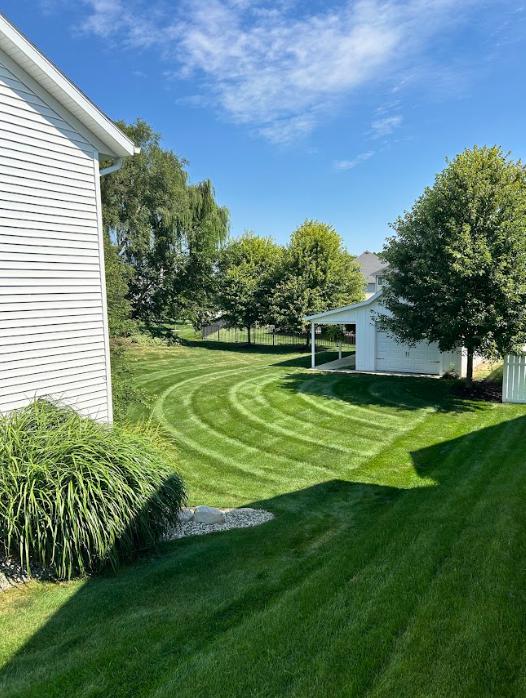
Lawn care through the growing season is not about perfection on any single day. It is about showing up consistently, making small adjustments as conditions shift, and giving the grass the steady support it needs to thrive. The homeowners who see the best results are the ones who treat their lawn care as a routine rather than a reaction.
At Cut & Trim, we take pride in delivering that consistency for our clients. Our team provides reliable mowing services on weekly and bi-weekly schedules designed to match the rhythm of Michigan’s growing season. Whether you are maintaining a property in Holland, Hudsonville, or Grand Rapids, we bring the equipment, experience, and attention to detail that keep your yard looking its best from the first cut of spring to the last cleanup of fall. We also serve homeowners searching for a dependable grass cutting service in Holland, MI, and a trusted lawn mowing service in Kentwood, MI, with the same no-contract, monthly billing approach that has defined our work for over two decades. Contact us today to set up a seasonal plan that keeps your lawn strong all year.