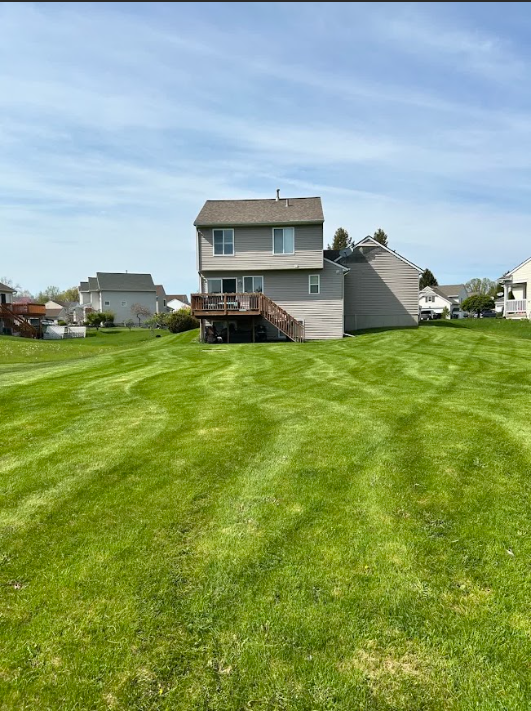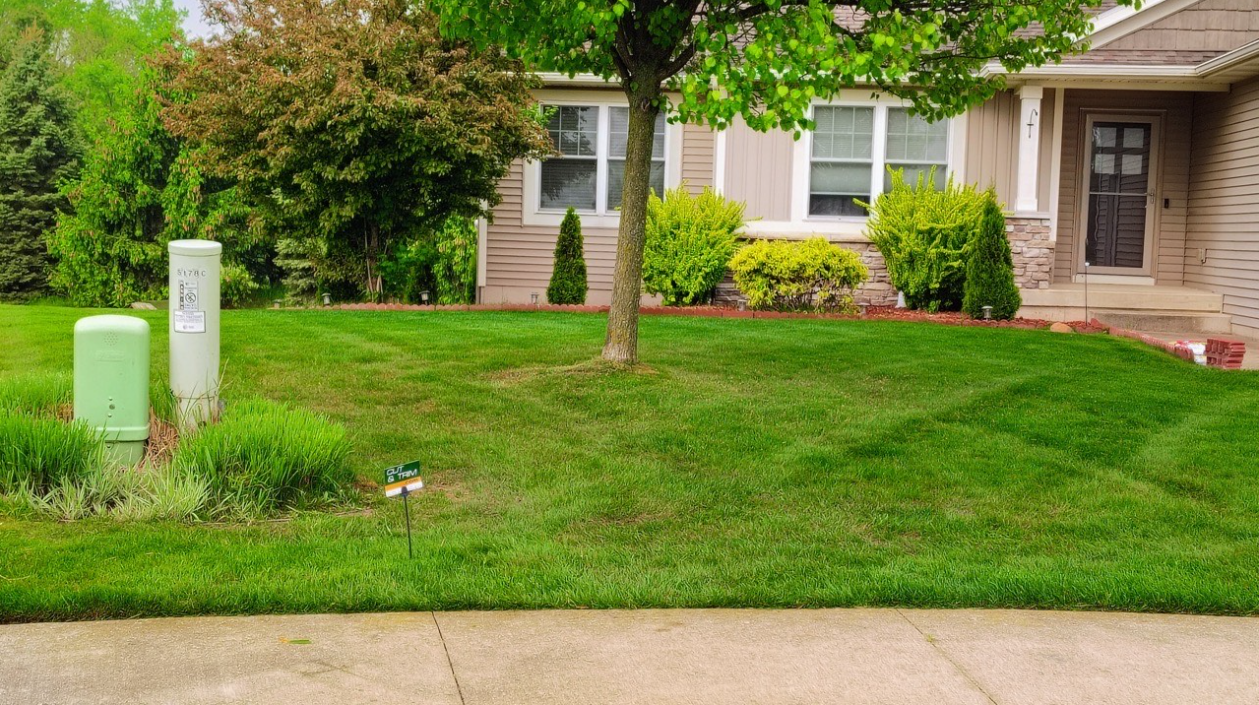
Your lawn speaks more than most homeowners realize. Changes in color, thickness, texture, and growth patterns are often early lawn health signs that something needs attention. Grass rarely declines without warning. Instead, it gives visible clues that point to soil issues, watering problems, pests, or maintenance gaps. Learning how to read these signs early can help prevent long-term damage, save repair costs, and keep your lawn looking healthy, green, and well-maintained throughout the season.
Yellowing Grass Often Signals Stress
One of the clearest signs your lawn is trying to tell you something is discoloration. Grass that turns pale green, yellow, or straw-colored is usually under stress.
This may be caused by:
- overwatering
- underwatering
- poor drainage
- lack of nutrients
- compacted soil
Yellowing often starts in sections rather than across the entire yard. That pattern itself is a clue. If one side is affected more than another, sunlight exposure or irrigation coverage may be the issue.
Professional lawn care services often begin with identifying why discoloration is happening instead of simply treating the visible symptom.
Uneven Growth Shows Environmental Imbalance
If some parts of your lawn grow quickly while others remain short or sparse, the grass is telling you that conditions are inconsistent.
This usually points to uneven sunlight, moisture levels, or nutrient distribution.
Areas near trees and fences often grow differently because they receive less sunlight and may compete with roots underground. Similarly, sprinkler systems can miss corners and edges, leading to uneven density.
This is why landscape maintenance services often focus on zone-specific care rather than applying the same treatment to every section.
Thin or Bare Spots Need Immediate Attention
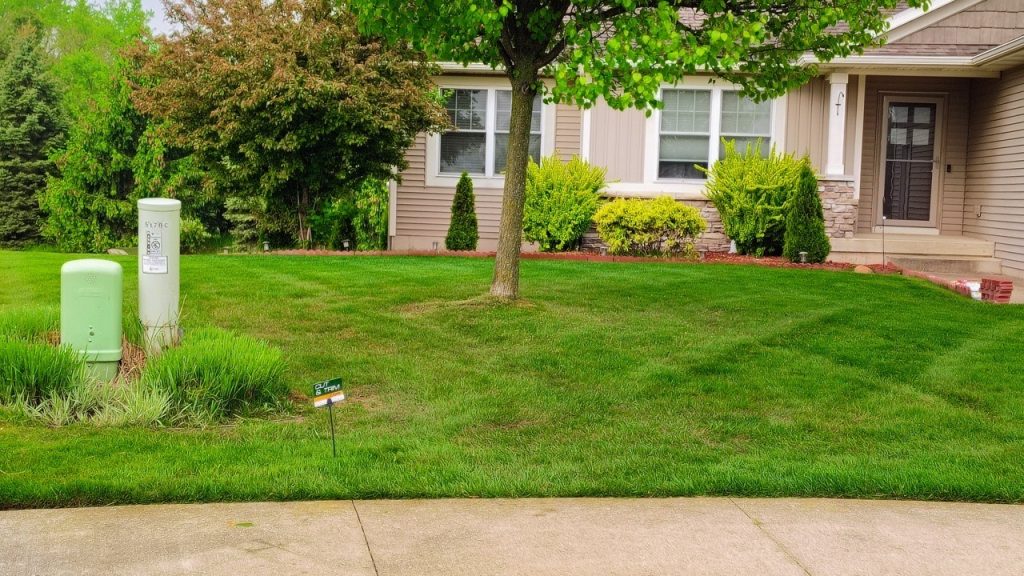
Thinning grass is one of the most important warning signs to notice early.
Bare patches may develop due to:
- high foot traffic
- pet damage
- soil compaction
- grub activity
- disease
Once roots weaken, the grass struggles to recover on its own. Thin spots also invite weeds, which quickly spread into surrounding healthy turf.
A professional grass cutter service often notices these areas during regular visits and can recommend aeration, overseeding, or soil repair before the problem expands.
Brown Patches Often Mean More Than Dryness
Many homeowners assume brown spots simply need more water, but that is not always the case.
Brown patches can signal:
- fungal growth
- pest infestation
- poor root health
- excessive thatch
- heat stress
Watering more without understanding the cause can sometimes make the issue worse, especially if fungus is involved.
This is why observing the texture matters too. Soft, damp brown patches often point to disease, while dry, brittle grass may indicate heat or watering issues.
Fast Weed Growth Signals Weak Turf
A healthy lawn naturally resists weed growth because dense grass leaves little room for invasive plants.
If weeds begin spreading quickly, it often means the grass itself is weakened. This is one of the most overlooked lawn health signs because many people focus only on removing weeds without asking why they appeared in the first place.
Weeds usually point to:
- poor grass density
- nutrient imbalance
- bare patches
- compacted soil
Fixing the root issue is what restores long-term lawn strength.
Soil Feel and Texture Also Matter
Sometimes the lawn speaks through the soil itself.
If the ground feels spongy, it may indicate excessive thatch buildup. If it feels hard and dry, compaction is often the problem. Walk across different areas of your yard and notice how the soil responds underfoot.
A lawn that feels different in certain zones often requires targeted treatment rather than one broad solution. This is where affordable lawn mowing services combined with maintenance checks can help spot problems early.
Local Climate Plays a Role

Grass behavior often changes based on regional weather patterns. For homeowners needing lawn care in Allendale, MI, seasonal moisture, rainfall, and temperature swings can create visible stress signals in different ways. Spring may bring uneven growth, while summer heat can reveal thinning and color loss. Understanding local lawn behavior makes it easier to respond early and prevent widespread decline.
Regular Mowing Can Reveal Hidden Issues
A routine lawn mowing service in Allendale, MI, often does more than keep the lawn neat.
Frequent mowing makes it easier to spot:
- color changes
- density shifts
- disease spread
- thinning zones
- uneven growth
These subtle changes are often missed when the lawn is viewed from a distance. Regular inspection during mowing helps catch issues before they become expensive repairs.
Listen to What Your Lawn Is Showing You
Your lawn almost always shows visible signs before major damage happens. Color, thickness, growth speed, weed presence, and soil texture all provide valuable information. The sooner these signs are recognized, the easier it becomes to restore healthy growth.
Restore Lawn Health with Cut & Trim

At Cut & Trim, we help homeowners read the early signs their lawn is showing and turn those warning signals into practical care solutions. From mowing and maintenance to seasonal lawn support, we help keep your grass healthy, strong, and visually consistent.
Contact us today to restore your lawn’s health and keep every season looking its best with Cut & Trim.