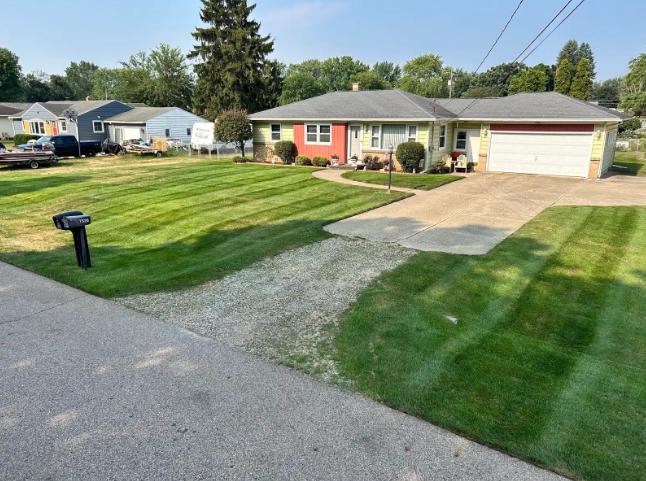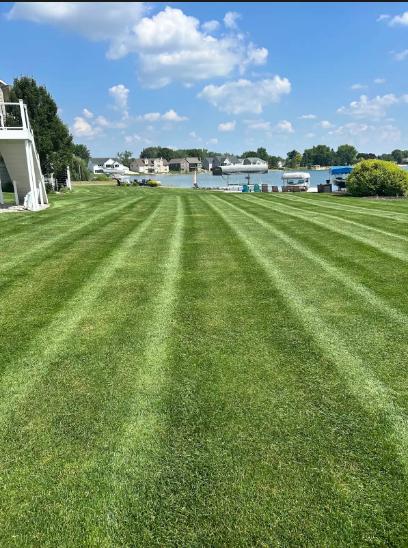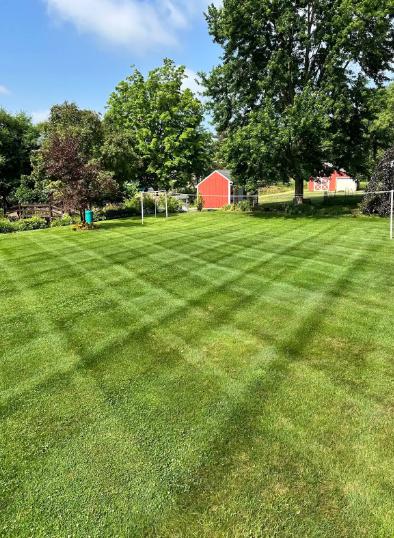
A healthy lawn needs care year-round. Mowing and watering help, but grass also needs nutrients from fertilizer. Fertilizing at the right time helps grass absorb nutrients and grow well. The wrong timing leads to weaker results.
Why Lawn Fertilization Timing Matters
Your lawn grows with the weather, affecting when to fertilize. It grows quickly in warm months and slows down or stops in cold months. Timing is crucial for lawn fertilization.
Fertilizer works only when the grass is growing. Proper timing is vital, as fertilizing too early or too late prevents the grass from effectively using nutrients.
Timely fertilization helps strengthen roots, improve grass color, and create thicker lawns. It also reduces wasted fertilizer and supports healthier growth over time. Many homeowners who use residential lawn mowing services rely on proper timing to keep their lawns looking healthy and well-maintained.
Spring Fertilization
Spring is the first major growing season of the year. After winter, grass often looks dull, thin, or weak. This is normal because the lawn has been inactive for months.
A light application of spring fertilizer supports the lawn’s recovery and encourages new green growth. Using excessive fertilizer causes overly rapid growth and weak roots, leading to uneven grass and greater maintenance challenges later.
Fertilize lightly in spring for steady recovery, not rapid growth. The main goal is to help grass regain strength after winter.
Summer Fertilization
Summer is tough on lawns due to hot weather and dry soil, which can slow growth. Heavy summer lawn fertilization can harm grass and even burn it.
A slow-release fertilizer is used when fertilization becomes necessary, providing gradual nourishment and reducing the risk of damage. Most lawns require little fertilizer during this season.
Homeowners using lawn care services in Michigan should aim to maintain steady grass growth, rather than promote rapid growth. This approach helps lawns withstand heat and remain healthy until cooler weather returns.
Fall Fertilization
Fall is key for lawn care. The grass is still active, but temperatures are cooler and stable. This is the best time to fertilize because it strengthens roots and prepares the grass for winter and next spring. Fall care boosts long-term lawn health.
Fall fertilization improves thickness, color, and recovery, reducing the risk of future problems. Fall is vital for good timing. Many homeowners opt for weekly grass cutting to achieve an even lawn before winter.
Winter Fertilization
Grass rests in winter; hence, growth slows or stops. It cannot use nutrients now. Hence, winter fertilization is not beneficial, as most of it is wasted or washed away.
Instead, homeowners in Michigan, looking for the best lawn care services, use winter as a season for rest, planning, and light preparation for next year.
Signs Your Lawn Needs Fertilizer
Even with seasonal timing, lawns can show signs of nutrient deficiency. These signs help adjust fertilization based on the lawn’s condition rather than just the calendar.
Common signs include pale green or yellow color, slow growth, thin patches, and uneven texture. In some cases, grass may also feel weak or less dense.
When these signs appear, adjust fertilization as needed based on the lawn’s current state rather than just the calendar.
Choosing the Right Fertilizer
Not all fertilizers are the same. Some work quickly, while others release nutrients slowly over time. Choosing the right type is just as important as timing.
Slow-release fertilizers are best for most lawns. They feed grass slowly, reducing the risk of overfeeding. This keeps growth steady due to proper timing.
Balanced fertilizers are also commonly used for general lawn care. They provide equal nutrients that support overall grass health.
Many homeowners who use residential lawn mowing services choose straightforward fertilizer options that fit with their lawn care schedules.
Simple Lawn Fertilizer Tips
- Spread fertilizer evenly to avoid patchy growth. Uneven spreading can make some areas grow faster than others.
- Light watering after fertilizing helps nutrients reach the soil. Too much or too little water can reduce results.
- Avoid fertilizing during extreme heat, drought, or when the ground is frozen. These conditions can harm the lawn and reduce absorption.
- Follow proper lawn fertilization timing in each season to keep grass healthy and strong over time.
- Many homeowners also combine fertilizing with regular grass-cutting services to make lawn care easier year-round.
Local Lawn Care Support
Many homeowners prefer professional assistance for both fertilization and lawn care. Services such as affordable lawn mowing in Holland and lawn mowing in Kentwood, MI, help maintain lawns with regular attention.
Homeowners in areas like Hudsonville, Grand Rapids, Holland, and Wyoming often use professional services to keep their lawns healthy year-round. Regular lawn care also helps spot small problems before they become bigger and more expensive.
Companies like Cut and Trim also help homeowners maintain simple and consistent lawn routines without confusion.
Final Thoughts
Knowing when to fertilize boosts lawn health. Fertilize in spring to help recovery, use caution in summer, build strength in fall, and let your lawn rest in winter.
Begin your fertilization schedule now with Cut and Trim. Stay consistent, monitor your lawn’s needs, and consult a local lawn care professional for expert advice to achieve a greener, healthier lawn year-round.